Carl Cohn on Smarter Balanced results: “Turning around schools… is a long, hard slog”
The Common Core Claiming
Carl Cohn on Smarter Counterbalanced results: "Turning around schools... is a long, hard slog"
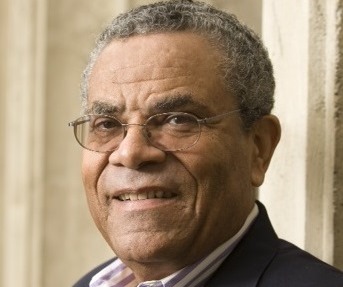

Credit: Claremont Graduate University
Carl Cohn, executive director, California Collaborative for Educational Excellence
Carl Cohn is executive director of the California Collaborative for Educational Excellence, a new state agency tasked with directing the school improvement system. Formerly, Cohn was a member of the California Land Board of Didactics and a superintendent in Long Beach and San Diego.
EdSource asked Cohn about his reaction to the Smarter Balanced cess scores released on September 9, 2015.
What was your beginning reaction to the Smarter Balanced test results? Any surprises?
My initial reaction was that no one is going to charge California of cheating…LOL! I was not surprised by the results. Having served on the board of a major testing company for nearly a decade, I know that, when examination developers say that they're amalgam an assessment that is substantially harder, they really mean it and the results will show information technology. The fact that we need to improve serve those who accept historically been nether served in our public schools should be a no-brainer.
The difference in scores based on students' economical and English learner status is striking. Will those scores inform the California Collaborative'south work over the side by side few years?
Aye, of course! Role of the work of the Collaborative will exist to identify those "beat the odds" schools and districts that are getting better results, and to find out what they are doing differently and to share it widely. Whether information technology's Sanger Unified in the Fundamental Valley or Alvarado Elementary in Long Beach, there are examples of improve functioning on the Smarter Counterbalanced tests that nosotros all can acquire from.
Do yous expect parent reactions to the Smarter Balanced test scores to bear upon their willingness to engage with districts as part of Local Control? What's the message districts should be sending to parents most their part and how they tin help?
Everyone who has been in education, even for a short corporeality of time, knows that parental engagement is a powerful predictor of educational success. So, given these results, I expect parents to embrace local control in an even more robust way. LCFF/LCAP builds on the principle of subsidiarity, which suggests that the expertise developed at the local level is more influential in irresolute student performance than dictates and commands from on loftier. The message to parents from districts should be nearly a new era of genuine partnering and collaboration.
As a former superintendent, what's your advice to school leaders about how to utilize the test data about finer?
Obviously, emphasizing growth and improvement over time is critical and important. I'm always uneasy with the manus-wringing that leads to searches for quick fixes to long-standing challenges. Turning effectually schools and districts that enroll significant numbers of students living in poverty, learning English, or in foster intendance is a long, difficult slog. That fact doesn't diminish my sense of urgency about the chore, but it soberly informs information technology.
To go more reports like this one, click here to sign upwards for EdSource's no-cost daily email on latest developments in education.
Source: https://edsource.org/2015/carl-cohn-on-smarter-balanced-results-no-one-is-going-to-accuse-california-of-cheating/86886
0 Response to "Carl Cohn on Smarter Balanced results: “Turning around schools… is a long, hard slog”"
Post a Comment